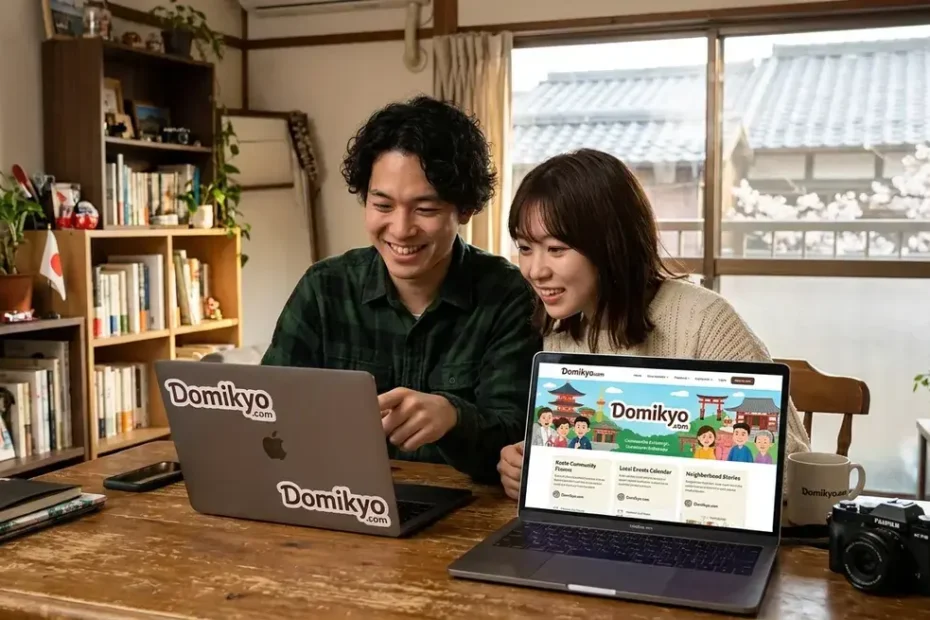
You’ve probably landed here because you stumbled across domikyo.com and wondered what it’s actually about. Maybe a friend mentioned it, or it popped up in your search results and caught your eye.
Either way, you want straight answers — not a sales pitch. This guide breaks down what the platform does, who it’s for, and how you can get real value from it without wasting your afternoon clicking around aimlessly.
What Exactly Is Domikyo.com?
At its core, domikyo.com is a digital platform built to help users organize, access, and manage online resources more efficiently. Think of it as a centralized hub — instead of juggling a dozen browser tabs and scattered bookmarks, you get a cleaner, more structured way to handle your digital workflow.
The platform launched with a simple premise: the internet is overwhelming, and most people need better tools to cut through the noise. Rather than trying to be everything to everyone, it focuses on doing a few things well — resource management, personalization, and ease of use.
If you’re curious about how to evaluate any online platform before committing your time and data, the Federal Trade Commission’s guide to protecting your personal information online offers practical advice that applies here and everywhere else on the web.
Who Is This Platform Actually For?
Short answer: almost anyone who spends meaningful time online. But that’s vague, so let’s get specific.
Beginners will appreciate the straightforward interface. There’s no steep learning curve or confusing jargon. If you can navigate a standard website, you can figure this out within minutes.
Professionals looking to consolidate their digital tools will find the resource management features particularly useful. Instead of switching between apps, you can pull key resources into one place.
General users who simply want a tidier online experience — fewer distractions, better organization, quicker access to the things they actually care about — will feel right at home.
The platform doesn’t assume you’re a tech expert. That’s one of its stronger design choices.
How to Set Up Your Account (Step by Step)
Getting started doesn’t take long. Here’s the basic process:
- Visit the homepage and look for the sign-up or registration button, usually located in the top-right corner.
- Enter your email address and create a strong password. Avoid reusing passwords from other sites — this is a habit worth building.
- Verify your email by clicking the confirmation link sent to your inbox. Check your spam folder if it doesn’t show up within a couple of minutes.
- Complete your profile with any optional details the platform requests. You can usually skip non-required fields and fill them in later.
- Explore the dashboard. Once you’re in, take five minutes to click around. Familiarity reduces friction later.
That’s genuinely it. No complicated onboarding wizards or 20-step verification processes.
Key Features Worth Exploring
Once you’re logged in, a few features stand out from the rest. Here’s a breakdown of what you’ll likely spend the most time with.
Personalized Dashboard
Your dashboard adapts based on how you use the platform. The more you interact with specific tools or resources, the more relevant your homepage becomes. It’s a small touch, but it saves time.
Resource Library
This is where the platform really earns its keep. The resource library lets you save, categorize, and retrieve links, documents, and notes in one organized space. Think of it as a smarter version of your browser’s bookmarks bar.
Search and Filter Tools
Finding what you need shouldn’t require digging through pages of results. The built-in search function supports filters by date, category, and relevance — which sounds basic but makes a big difference when your library grows.
Notification Preferences
You control what alerts you receive and how often. No one wants their inbox flooded with updates they didn’t ask for, and the platform respects that.
How Does Domikyo.com Compare to Similar Platforms?
It’s fair to ask how this stacks up against alternatives you might already be using. Here’s a quick comparison:
| Feature | Domikyo.com | Typical Bookmark Managers | All-in-One Productivity Apps |
| Learning curve | Low | Low | Medium to high |
| Resource organization | Strong | Basic | Strong |
| Personalization | Adaptive dashboard | Minimal | Customizable but complex |
| Free tier available | Yes | Varies | Limited |
| Mobile accessibility | Responsive web | App-dependent | App-dependent |
| Data privacy controls | User-managed | Varies | Varies |
The biggest difference? The platform doesn’t try to replace your entire workflow. It slots into what you already do rather than demanding you overhaul your habits. That’s a meaningful distinction if you’ve ever abandoned a productivity app after two weeks because it asked too much of you.
When evaluating any digital tool, it helps to understand broader principles of digital literacy and online safety. Resources like Cornell University’s digital literacy framework provide a solid foundation for making informed choices about the platforms you trust with your data.
Practical Tips for a Better Experience
A few things that’ll help you get more out of the platform from day one:
Start small. Don’t try to import your entire digital life on the first afternoon. Pick one category — say, work resources or personal bookmarks — and organize that first. You can always expand later.
Use tags and categories early. It’s tempting to skip the labeling step when you only have a handful of saved items. But once your library hits 50+ entries, you’ll be grateful you established a system from the start.
Check your notification settings monthly. Your needs change over time, and what felt useful in week one might feel noisy by month three. A quick settings review keeps things manageable.
Give feedback if something feels off. Most platforms, including this one, have a way to report bugs or suggest improvements. Your input actually shapes future updates more than you might think.
Common Mistakes to Avoid
Even simple platforms trip people up sometimes. Here are the most frequent missteps:
Using a weak password. This is the number one security risk across all online accounts. Use a password manager if you’re not already — it removes the temptation to pick something easy to guess.
Ignoring the onboarding tutorial. Yes, it’s tempting to skip it. But a two-minute walkthrough can save you twenty minutes of confused clicking later.
Over-customizing too soon. It’s fun to tweak settings and rearrange your dashboard, but doing it before you understand your own usage patterns often leads to a setup you’ll just redo in a month.
Not exploring the help section. Most questions you’ll have are already answered in the platform’s FAQ or support docs. Checking there first is faster than waiting for an email reply.
Final Thoughts
The internet doesn’t need another complicated tool that demands hours of setup and a computer science degree to operate. What most people actually need is a quieter, more organized corner of the web where they can find what they’re looking for without the usual chaos.
That’s the space domikyo.com is trying to fill. Whether you end up using it daily or just occasionally, the platform gives you a cleaner starting point — and sometimes, that’s more than enough.
Featured Guides

Home›Blog›Blog›What Is Domikyo.com and How Can You Make the Most of It?…

Home›Blog›Blog›What Is Domikyo.com and How Can You Make the Most of It?…

Home›Blog›Blog›What Is Domikyo.com and How Can You Make the Most of It?…