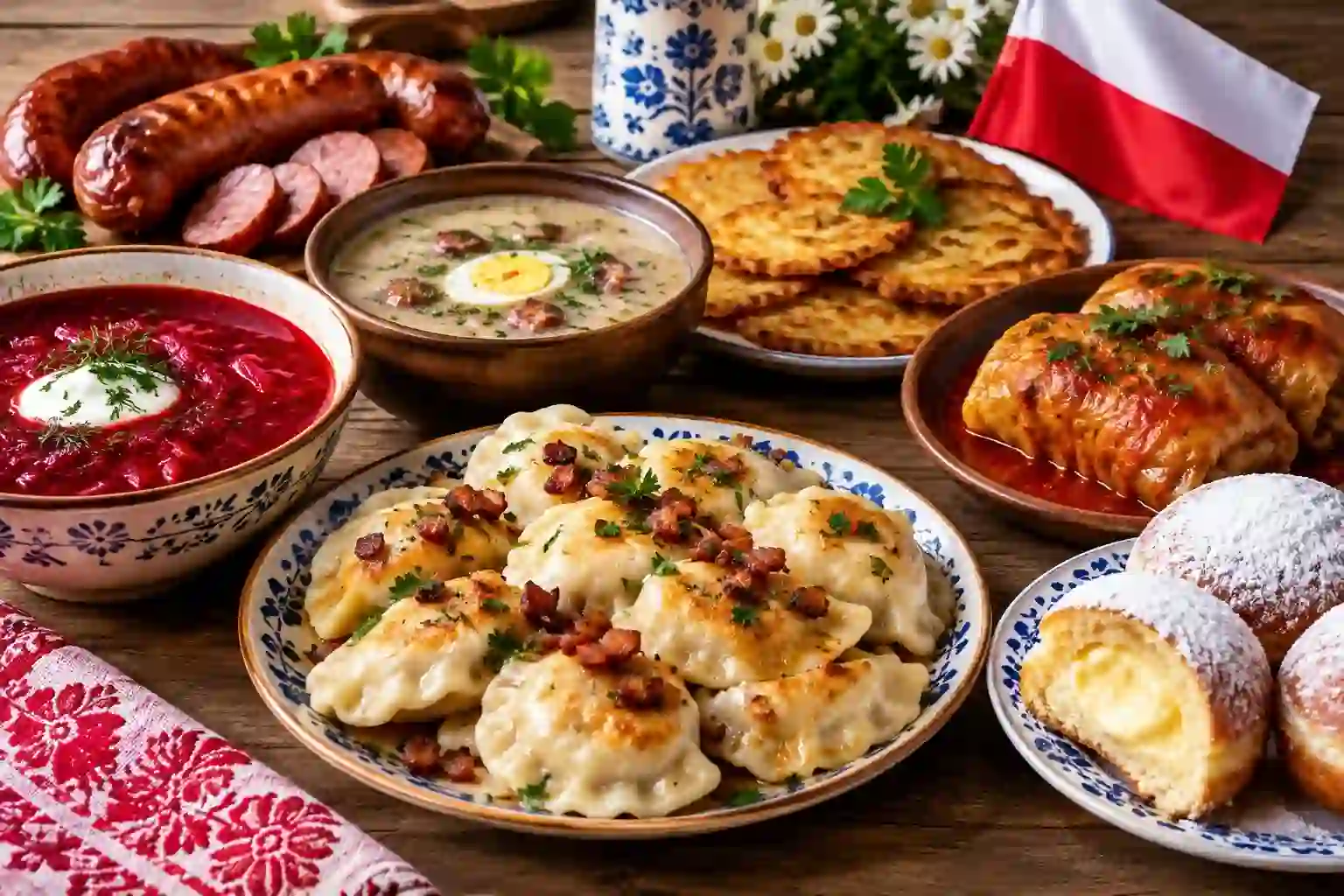
Best Polish Foods for Athletes: A Performance Nutrition Guide
Quick Summary / Key Takeaways
- Polish foods are naturally rich in complex carbohydrates, lean proteins, and anti-inflammatory fats ideal for athletic recovery.
- The top 10 polish foods for athletes include pierogi, bigos, kotlet schabowy, barszcz, and kielbasa.
- Traditional polish foods align closely with periodized nutrition strategies used by strength and endurance athletes.
- A polish foods list built around whole ingredients outperforms many processed “sport-specific” meals in micronutrient density.
- Timing and portion control remain critical — even the best polish foods can hinder performance if mismanaged around training windows.
Direct Answer Block
What are the best polish foods for athletes? The best polish foods for athletic performance include pierogi (complex carbs), bigos (protein and fiber), kotlet schabowy (lean protein), and barszcz (antioxidant-rich beets). These traditional polish foods deliver the macronutrient profiles endurance and strength athletes need for sustained energy, muscle repair, and faster recovery.
Introduction
Most athletes obsess over macros but ignore the cultural goldmines hiding in plain sight on global menus. If you’ve never considered polish foods as part of your performance nutrition strategy, you’re leaving serious gains on the table.
Poland’s culinary tradition was built for people who worked hard in brutal winters — farmers, laborers, and yes, competitive athletes. The result? A cuisine loaded with slow-digesting carbohydrates, high-quality animal proteins, fermented gut-health boosters, and root vegetables packed with micronutrients.
This guide breaks down the top 10 polish foods that belong in any serious athlete’s rotation. We’ll cover the science behind each dish, how to time them around training, and where popular polish foods fit into modern periodized nutrition. Whether you’re a strength athlete bulking through the off-season or an endurance competitor tapering for race day, these famous polish foods deliver real, measurable fuel.
[Link: Relevant internal article — “Complete Guide to Periodized Nutrition for Athletes”]
Why Polish Foods Deserve a Spot in Your Athletic Diet
Traditional polish foods weren’t designed in a lab. They evolved over centuries to sustain people through physically demanding labor in cold climates. That origin story maps almost perfectly onto the caloric and macronutrient demands of modern competitive sports.
Here’s what makes polish foods uniquely suited for athletic performance:
- Complex carbohydrate density. Dishes like pierogi and kasza (buckwheat groats) deliver sustained glycogen replenishment without the blood sugar spikes associated with refined sport gels.
- High biological-value proteins. Pork, chicken, and dairy-based dishes provide complete amino acid profiles critical for muscle protein synthesis post-training.
- Fermented ingredients. Sauerkraut, pickled beets, and kefir — staples across any polish foods list — support gut microbiome diversity, which emerging sports science links to reduced inflammation and improved nutrient absorption.
- Micronutrient richness. Beetroot (barszcz), cabbage, and root vegetables deliver nitrates, vitamin C, and iron at levels that rival dedicated supplementation.
A 2022 study published in the Journal of the International Society of Sports Nutrition confirmed that whole-food-based recovery meals outperform ultra-processed alternatives in 24-hour glycogen resynthesis. Common polish foods check every box that study outlined.
[Link: External source — JISSN whole-food recovery study]
Top 10 Polish Foods for Peak Athletic Performance
Pierogi (Filled Dumplings)
The undisputed heavyweight of popular polish foods. Potato-and-cheese pierogi deliver a 3:1 carb-to-protein ratio that mirrors the golden recovery window recommended by the American College of Sports Medicine. Meat-filled variants bump the protein for strength athletes.
Bigos (Hunter’s Stew)
A slow-cooked blend of sauerkraut, fresh cabbage, and multiple meats. Bigos is a traditional polish food that provides collagen-rich connective tissue proteins, probiotics from fermented cabbage, and sustained caloric density for high-volume training blocks.
Kotlet Schabowy (Breaded Pork Cutlet)
Think of it as Poland’s answer to the chicken breast staple. When baked instead of fried, kotlet schabowy delivers roughly 30g of protein per serving with minimal added fat — ideal for lean-mass phases.
Barszcz (Beetroot Soup)
Beetroot is one of the most research-backed ergogenic aids in sports science. Barszcz concentrates dietary nitrates that improve oxygen efficiency during submaximal endurance efforts. Drink it 2–3 hours before competition.
Kielbasa (Polish Sausage)
Not all kielbasa is created equal. Opt for lean turkey or chicken varieties to get 20–25g of protein per link. Among famous polish foods, kielbasa is the most portable — perfect for tournament-day fueling.
Kasza Gryczana (Buckwheat Groats)
A gluten-free complex carb powerhouse. Buckwheat groats contain all eight essential amino acids, making them one of the best polish foods for plant-forward athletes who still need complete protein.
Gołąbki (Stuffed Cabbage Rolls)
Ground meat wrapped in cabbage leaves and simmered in tomato sauce. Gołąbki deliver protein, lycopene, and vitamin K in a single, easily digestible package — excellent for pre-competition meals 3–4 hours out.
Żurek (Sour Rye Soup)
Fermented rye starter gives żurek a probiotic punch that supports immune function during heavy training loads. Add a hard-boiled egg for an extra 6g of protein.
Placki Ziemniaczane (Potato Pancakes)
A fast-digesting carb source when you need rapid glycogen top-ups between same-day events. Pair with a lean protein to complete the recovery profile.
Twaróg (Polish Farmer’s Cheese)
Casein-dominant and slow-digesting, twaróg is the polish food equivalent of cottage cheese. Eat it before bed to sustain amino acid delivery during overnight recovery.
[Link: Relevant internal article — “Best Pre-Game Meals for Every Sport”]
Traditional Polish Foods vs. Modern Sports Nutrition
How do traditional polish foods stack up against the processed bars, shakes, and gels dominating locker rooms? The comparison is closer than most athletes realize.
| Nutritional Factor | Traditional Polish Dish (e.g., Bigos + Kasza) | Commercial Sport Recovery Shake |
|---|---|---|
| Calories per serving | 550–700 kcal | 250–350 kcal |
| Protein | 28–35g (whole-food sources) | 25–30g (whey isolate) |
| Carbohydrates | 60–80g (complex, low-GI) | 40–50g (maltodextrin, high-GI) |
| Fiber | 8–12g | 0–2g |
| Micronutrients | Iron, vitamin C, nitrates, B12 | Synthetic vitamin blend |
| Gut Health Support | High (fermented ingredients) | None |
| Cost per serving | $2–$4 | $4–$7 |
| Satiety duration | 4–5 hours | 1–2 hours |
The data is clear. Popular polish foods deliver broader nutritional coverage at a fraction of the cost. The trade-off is preparation time — but batch-cooking bigos or pierogi on rest days solves that problem entirely.
How to Build a Polish-Inspired Meal Plan for Training
Integrating a polish foods list into your existing nutrition plan doesn’t require a complete overhaul. Start with these evidence-based timing principles:
- Pre-training (3–4 hours out): Gołąbki with kasza for slow-release energy and moderate protein.
- Pre-competition (2–3 hours out): Barszcz with a small portion of pierogi for nitrate loading and accessible carbs.
- Post-training (within 60 minutes): Kotlet schabowy (baked) with potato pancakes for rapid glycogen replenishment and muscle repair.
- Before bed: Twaróg with a drizzle of honey for overnight casein delivery.
Rotate these meals throughout the week to prevent palate fatigue and ensure diverse micronutrient intake. What are some polish foods you haven’t tried yet? Experiment with żurek and placki ziemniaczane during lighter training weeks.
Common Pitfalls When Adding Polish Foods to Your Diet
Even the best polish foods can derail performance if you ignore these mistakes:
- Over-relying on fried preparations. Kotlet schabowy and placki ziemniaczane are traditionally deep-fried. Baking or air-frying cuts fat content by 40–60% without sacrificing taste.
- Ignoring sodium in fermented foods. Sauerkraut and pickled beets are probiotic powerhouses, but their sodium levels can spike blood pressure in sensitive athletes. Rinse before use during taper weeks.
- Eating heavy stews too close to competition. Bigos is calorie-dense and slow to digest. Keep it at least 5 hours before game time to avoid GI distress.
- Skipping the vegetable sides. Polish cuisine shines when the meat is balanced with mizeria (cucumber salad) or buraczki (grated beets). Don’t treat the sides as optional.
Frequently Asked Questions
What are some polish foods that are high in protein?
Kotlet schabowy, kielbasa, twaróg, and gołąbki are the highest-protein polish foods, each delivering 20–35g per serving. Pair them with kasza for a complete amino acid profile that supports muscle recovery after intense training sessions.
Are traditional polish foods good for weight loss?
Yes, when portion-controlled. Traditional polish foods like barszcz, żurek, and kasza are nutrient-dense and high in fiber, promoting satiety. Avoid fried preparations and heavy cream sauces to keep caloric intake aligned with fat-loss goals.
What is a complete polish foods list for beginners?
A beginner polish foods list should include pierogi, bigos, barszcz, kotlet schabowy, kielbasa, kasza gryczana, gołąbki, żurek, placki ziemniaczana, and twaróg. These ten dishes cover the full spectrum of Polish culinary tradition.
Can polish foods improve endurance performance?
Absolutely. Barszcz (beetroot soup) is rich in dietary nitrates proven to improve oxygen economy during endurance exercise. Famous polish foods like kasza also provide slow-digesting carbs that sustain energy over long-duration events.
Are common polish foods gluten-free?
Some common polish foods are naturally gluten-free, including barszcz, kasza gryczana (buckwheat), and twaróg. However, pierogi, żurek, and breaded cutlets contain wheat. Look for gluten-free flour substitutions when preparing these dishes.
How do popular polish foods compare to Mediterranean diet staples?
Popular polish foods match Mediterranean staples in protein quality and fermented food content but offer higher caloric density — an advantage for athletes in heavy training phases. The Mediterranean diet edges out Polish cuisine in omega-3 fatty acid content.
Conclusion
Polish foods are one of the most underutilized resources in athletic nutrition. From the nitrate-loaded beets in barszcz to the casein-rich twaróg that fuels overnight recovery, traditional polish foods deliver performance benefits that rival any supplement on the market.
Start by swapping one processed recovery meal per week with a polish foods alternative. Track your energy levels, digestion, and training output. The results will speak for themselves.