Authentic Pozole Recipe: Traditional Red, Green & Chicken Guide
Quick Summary / Key Takeaways
- Authentic pozole starts with dried hominy (maíz cacahuazintle) and a slow-simmered chile-based broth.
- The best authentic pozole recipe uses guajillo and ancho chiles for depth, not pre-made paste.
- An authentic pozole recipe chicken variation swaps pork for bone-in thighs, cutting cook time by ~40 minutes.
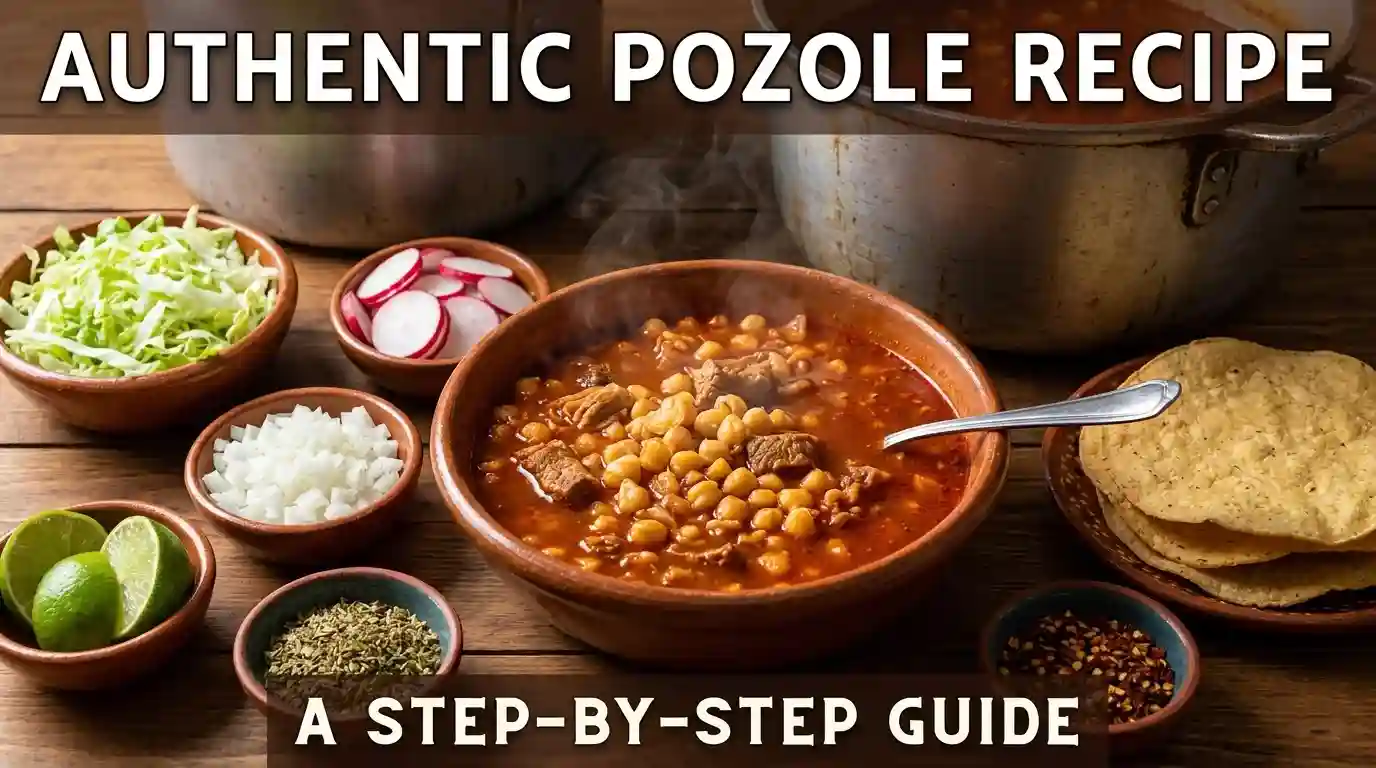
- Garnishes (tostadas, shredded cabbage, radish, lime, oregano) are non-negotiable for traditional flavor.
- Total active prep is roughly 45 minutes; total cook time ranges from 2.5 to 4 hours depending on protein.
Direct Answer Block
An authentic pozole recipe combines slow-cooked pork shoulder or chicken with rehydrated dried hominy in a broth built from toasted guajillo, ancho, and árbol chiles. The dish is finished tableside with shredded cabbage, sliced radish, lime wedges, dried oregano, and crispy tostadas.
Introduction
Few dishes carry the cultural weight of pozole. Rooted in pre-Hispanic Mesoamerican tradition and refined over centuries of Mexican home cooking, this hominy-and-meat stew is the centerpiece of celebrations from Jalisco to Guerrero—and increasingly, kitchens across the United States.
Yet most online recipes cut corners: canned hominy, jarred salsa, shortcuts that flatten the flavor into something forgettable. If you’ve been searching for the best authentic pozole recipe, you already know the difference between a shortcut bowl and the real thing.
This guide walks you through three proven variations—classic red (rojo), tangy green (verde), and a lighter authentic pozole recipe chicken version—backed by technique notes from Mexican home cooks and culinary professionals. You’ll learn which chiles to toast, why hominy texture matters more than most people realize, and the garnish strategy that turns a good bowl into an unforgettable one.
What Makes a Pozole Recipe Truly Authentic?
An authentic pozole recipe hinges on three pillars: nixtamalized hominy, a chile-forward broth built from dried peppers, and a protein simmered long enough to shred effortlessly. Canned hominy works in a pinch, but dried maíz cacahuazintle—soaked overnight and simmered until the kernels “bloom” open—delivers the chewy, pillowy texture that defines the dish.
The broth is where most recipes fail. Authenticity demands toasting whole dried chiles on a comal, rehydrating them in hot water, then blending them into a smooth paste that gets fried in lard or oil before joining the pot. This two-stage process (toast → fry) develops the smoky, layered depth no jarred sauce can replicate.
Red vs. Green vs. White Pozole — Key Differences
| Feature | Pozole Rojo (Red) | Pozole Verde (Green) | Pozole Blanco (White) |
|---|---|---|---|
| Primary Chiles | Guajillo, Ancho, Árbol | Tomatillo, Serrano, Poblano | None (broth-only) |
| Color | Deep brick red | Vibrant green | Clear / ivory |
| Flavor Profile | Smoky, earthy, mild heat | Bright, tangy, herbaceous | Clean, savory, subtle |
| Best Protein | Pork shoulder | Chicken or pork | Pork or chicken |
| Region of Origin | Jalisco, Sinaloa | Guerrero, Michoacán | Nationwide |
| Avg. Cook Time | 3–4 hours | 2.5–3 hours | 3–4 hours |
The Best Authentic Pozole Recipe (Red / Rojo) — Step by Step
This is the version most home cooks picture when they think of pozole: a deep-red, chile-saturated broth loaded with tender pork and fat hominy kernels. It’s the best authentic pozole recipe for first-timers because the technique is straightforward and the flavor payoff is enormous.
Ingredients Checklist
- 2 lb pork shoulder (bone-in, cut into 3-inch chunks)
- 1 lb dried white hominy (maíz cacahuazintle), soaked overnight
- 6 dried guajillo chiles, stemmed and seeded
- 3 dried ancho chiles, stemmed and seeded
- 2–4 dried chile de árbol (adjust for heat)
- 1 white onion, quartered
- 6 cloves garlic, peeled
- 1 tbsp dried Mexican oregano
- 2 bay leaves
- Salt to taste
- Lard or neutral oil for frying the chile paste
Method Overview
- Simmer the hominy in salted water for 2–3 hours until kernels bloom. Drain and set aside.
- Brown the pork in a Dutch oven; cover with water, add half the onion, 3 garlic cloves, bay leaves, and salt. Simmer 1.5–2 hours until fork-tender. Shred, reserving broth.
- Toast the chiles on a dry skillet 30–45 seconds per side. Soak in hot water 15 minutes. Blend with remaining onion, garlic, oregano, and 1 cup soaking liquid until silky smooth.
- Fry the chile paste in 2 tbsp lard over medium-high heat for 5–7 minutes until it darkens and thickens.
- Combine broth, shredded pork, hominy, and fried chile paste. Simmer 30–45 minutes to marry flavors. Adjust salt.
Authentic Pozole Recipe Chicken — A Lighter, Faster Alternative
If you want the full pozole experience without the long pork braise, an authentic pozole recipe chicken version is your best option. Bone-in, skin-on chicken thighs are ideal: they stay juicy during simmering and add collagen-rich body to the broth.
Key adjustment: Chicken cooks in roughly 35–45 minutes, so add the meat to the pot after the hominy is fully tender and the chile base is already simmering. Overcooking chicken in pozole is the single most common mistake—it turns stringy and dry.
Quick Chicken Pozole Timeline
- Hour 0–2: Cook hominy separately.
- Hour 2–2.5: Build and fry chile base; add hominy and broth.
- Hour 2.5–3.15: Add chicken thighs; simmer until internal temp hits 165 °F.
- Hour 3.25: Shred chicken, return to pot, serve.
This shaves roughly 60–90 minutes off the traditional pork timeline while preserving the layered chile flavor that defines the dish.
Common Pitfalls That Ruin Pozole
Even experienced cooks stumble on these mistakes. Avoid them and your pozole will outperform most restaurant versions.
- Using canned hominy without rinsing. The canning liquid has a metallic and starchy taste. Drain, rinse thoroughly, and simmer 15 minutes in fresh water before adding to the pot.
- Skipping the chile-frying step. Blending rehydrated chiles and dumping them straight into broth produces a raw, bitter flavor. Frying the paste in fat is what unlocks depth.
- Over-salting early. Hominy absorbs salt aggressively during its long cook. Season the broth in stages—taste at the 2-hour mark and again before serving.
- Ignoring garnish variety. Pozole is a build-your-own-bowl dish. Serving it without a garnish spread is like serving tacos without salsa.
The Garnish Table — Non-Negotiable Toppings
| Garnish | Purpose | Prep Tip |
|---|---|---|
| Shredded green cabbage | Crunch, freshness | Slice paper-thin; soak in ice water 10 min |
| Sliced radish | Peppery bite | Use a mandoline for uniform rounds |
| Lime wedges | Acidity to cut richness | Serve at room temp for maximum juice |
| Dried Mexican oregano | Earthy aroma | Crush between palms tableside |
| Tostadas / tortilla chips | Textural contrast | Fry your own in 350 °F oil for 45 sec |
| Sliced avocado | Creamy fat | Add last to prevent browning |
| Chopped white onion | Sharp bite | Finely dice; rinse under cold water |
| Salsa macha or chile oil | Extra heat | Drizzle sparingly—pozole is already spiced |
Frequently Asked Questions
What is the best authentic pozole recipe for beginners?
The best authentic pozole recipe for beginners is pozole rojo with pork shoulder. It uses only three dried chile varieties, requires no specialty equipment beyond a blender and Dutch oven, and is forgiving on timing. Follow the step-by-step method above for reliable results on your first attempt.
Can I make an authentic pozole recipe chicken version in a slow cooker?
Yes. Sear chicken thighs, build the chile paste on the stovetop, then transfer everything—hominy, broth, paste, and chicken—to a slow cooker on LOW for 4–5 hours. The authentic pozole recipe chicken slow-cooker method yields tender meat and deeply infused broth with minimal active effort.
How long does dried hominy take to cook?
Dried maíz cacahuazintle requires an overnight soak (8–12 hours) followed by 2–3 hours of simmering in salted water. The kernels are done when they “bloom”—the outer skin splits and the interior puffs outward. Undercooked hominy is the most common texture failure in pozole.
Is pozole healthy?
Pozole is a balanced one-pot meal: lean protein, fiber-rich hominy, and vitamin-dense garnishes. A typical bowl contains roughly 300–400 calories, 25–30 g protein, and significant amounts of niacin from the nixtamalized corn. Keep sodium moderate and load up on cabbage and radish for extra micronutrients.
What’s the difference between pozole and menudo?
Pozole uses hominy and pork or chicken in a chile-based broth. Menudo uses beef tripe in a red chile broth, often with hominy as a secondary ingredient. Pozole has a cleaner, more brothy texture; menudo is thicker and more gelatinous due to the tripe collagen.
Can I freeze leftover pozole?
Absolutely. Cool completely, portion into airtight containers, and freeze for up to 3 months. Reheat gently on the stovetop with a splash of water or broth. Garnishes should always be added fresh—never freeze cabbage, radish, or avocado.
Conclusion
An authentic pozole recipe isn’t complicated—it’s deliberate. The magic lives in toasting whole chiles, frying the paste, simmering hominy until it blooms, and letting time do the heavy lifting. Whether you choose the classic red pork version, the vibrant green Guerrero style, or the faster authentic pozole recipe chicken variation, the framework stays the same: quality dried ingredients, layered technique, and a generous garnish spread.
Ready to cook? Bookmark this guide, grab your dried guajillos and hominy from the Latin aisle, and plan your next pozole night this weekend. If you found this breakdown helpful, share it with a friend who’s still using jarred salsa in their pozole—they deserve better.