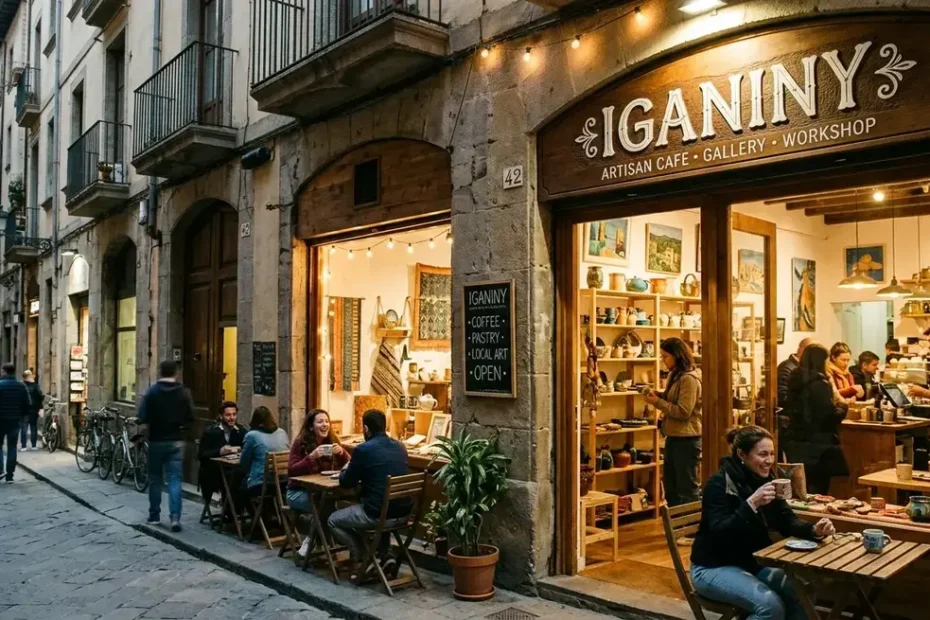
TL;DR: Iganiny is a culturally rich destination blending historic charm with modern energy. This guide walks you through an ideal day — from sunrise breakfasts to starlit dinners — covering local cuisine, artisan markets, scenic parks, and evening performances.
Some places reveal themselves slowly, one cobblestone lane at a time. Iganiny is one of those places. Tucked into a region known for its layered history and warm hospitality, this town rewards travelers who slow down and pay attention.
Whether you have exactly one day or an entire week, this guide gives you a structured way to experience the best of iganiny — its food, its art, its rhythms, and the small details that make it unforgettable.
Quick Overview
- Iganiny blends colonial-era architecture with a thriving contemporary arts scene
- The local food culture centers on farm-fresh ingredients and generational recipes
- Most of the town center is walkable, with bicycle rentals available for outer areas
- Best visiting months are April through June for mild weather and thinner crowds
- The artisan market and evening performance hall are the two most popular attractions
- Respectful dress is expected at historical and religious sites
The Character of Iganiny
Iganiny doesn’t try to be anything it isn’t. The town wears its history openly — faded stone facades, arched doorways, and narrow alleys that haven’t changed much in a century. Yet alongside those old walls, you’ll find neon-lit juice bars, co-working spaces, and murals painted by artists who moved here specifically for the creative energy.
That contrast is what makes a visit feel layered rather than one-note. You can spend your morning in a 200-year-old market and your afternoon in a gallery showcasing digital art. The locals are accustomed to visitors and generally welcoming, though the town hasn’t yet been overwhelmed by mass tourism.
If you’re the kind of traveler who prefers authenticity over polish, iganiny will feel like a discovery rather than a checklist.
Morning: First Tastes and First Steps
Breakfast at Solara House
Start your day at Solara House, a family-run café near the eastern edge of the old quarter. The signature morning plate is called “Beréka” — a warm flatbread layered with spiced lentil paste, soft-boiled eggs, and a drizzle of local wildflower honey. It’s hearty, slightly sweet, and pairs perfectly with the house-roasted chicory coffee.
If you prefer something lighter, ask for the seasonal fruit bowl. Depending on the month, you might get sliced guava, passion fruit, and a tart green mango sprinkled with chili salt. Everything comes from farms within a 30-kilometer radius.
Walking the Heritage Quarter
After breakfast, head west into the Heritage Quarter. This is the oldest part of town, and the architecture tells the story of iganiny’s trading past. Look for the carved wooden balconies on Calle de los Mercaderes — each one features a different geometric pattern, a tradition that dates back to the town’s founding merchant families.
The centerpiece of the quarter is the Torre del Reloj, a limestone clock tower built in the late 18th century. If you arrive before 10 AM, you’ll likely catch a small group of local musicians performing folk songs at its base. The melodies are haunting and rhythmic, played on stringed instruments you probably won’t recognize.
The Iganiny Cultural Archive
Just two blocks from the clock tower, the Iganiny Cultural Archive offers a compact but fascinating look at the region’s evolution. The ground floor covers ancient trade routes and agricultural traditions, while the upper level rotates contemporary art exhibitions. Entry is free, and most exhibits include English-language descriptions.
According to UNESCO’s guidelines on cultural heritage preservation, communities that actively maintain their historical sites tend to sustain stronger local identities — and Iganiny is a living example of that principle in action.
Midday: Markets, Flavors, and Craft
Lunch at Raíces Comedor
By noon, you’ll be ready for a proper meal. Raíces Comedor sits on a quiet side street near the main market and operates on a simple philosophy: whatever the farmers brought that morning is what’s on the menu.
The dish most visitors remember is “Cordero al Humo” — slow-smoked lamb shoulder rubbed with a paste of roasted garlic, cumin, and a local herb called yerba dulce. It arrives on a clay plate with charred vegetables and a stack of hand-pressed tortillas. For a vegetarian alternative, the “Huerta Bowl” layers roasted squash, black beans, pickled onions, and avocado crema over ancient grains.
Wash it down with a glass of chilled jamaica (hibiscus tea) or fresh sugarcane juice pressed right at the counter.
The Artisan Corridor
After lunch, walk off the meal along the Artisan Corridor, a covered stretch of stalls that runs parallel to the river. This is where Iganiny’s makers sell their work directly to visitors. You’ll find hand-thrown pottery with distinctive blue-gray glazes, woven textiles dyed with indigo and cochineal, and intricate silver filigree jewelry.
A few tips for shopping here: prices are generally fair and fixed, but a polite inquiry about the craftsperson’s process often leads to a richer experience — and occasionally a small discount. Look for the small green tags that indicate items made entirely within the Iganiny region.
Afternoon: Nature and Quiet Corners
Rest at Mirador Gardens
By mid-afternoon, the town’s energy softens. This is the perfect time to climb the gentle hill to Mirador Gardens, a terraced green space overlooking the valley below. The gardens were originally part of a private estate and were opened to the public about fifteen years ago.
The upper terrace offers the best panoramic view in town — on clear days, you can see the distant ridge line and the glint of the reservoir. Benches are scattered among jacaranda trees and fragrant jasmine hedges, making it an ideal spot to read, journal, or simply sit quietly.
If you’re traveling with children, the lower section has a small duck pond and a shaded playground built from reclaimed wood.
The Riverside Walk
For something more active, follow the path that descends from the gardens down to the river. The Riverside Walk is a flat, well-maintained trail that stretches about two kilometers in each direction. You’ll pass fishermen casting nets from wooden docks, families picnicking on the grassy banks, and the occasional kayaker gliding past.
The light in the late afternoon is extraordinary here — golden and diffused, the kind that makes everything look like a painting.
Evening: Sunsets, Performances, and Starlit Dinners
Sunset at Puerta del Sol Terrace
As the sun begins to drop, make your way to Puerta del Sol Terrace, a wide stone platform at the western edge of town. This is where locals gather to watch the sunset, and the ritual feels communal rather than touristy. Vendors set up small carts selling buñuelos de viento (airy fried dough dusted with cinnamon sugar) and cups of warm spiced chocolate.
Arrive about thirty minutes before sundown to claim a good spot along the railing. The sky here tends to shift through deep oranges, purples, and a brief flash of green just before the sun disappears behind the hills.
Live Performance at the Teatro Municipal
Iganiny’s Teatro Municipal is a beautifully restored venue that hosts live performances four to five nights a week. The programming rotates between traditional folk dance troupes, acoustic music ensembles, and occasional theatrical productions based on regional legends.
Tickets are inexpensive and can usually be purchased at the door, though weekend shows do fill up. If you don’t speak the local language, don’t worry — the dance and music performances are entirely visual and deeply expressive.
Dinner at Cielo Abierto
End your day at Cielo Abierto, an open-air rooftop restaurant perched above the old market square. The setting alone is worth the visit — strings of warm lights, linen tablecloths fluttering in the breeze, and an unobstructed view of the night sky.
The chef’s signature is “Pescado a la Brasa” — whole grilled river fish stuffed with citrus, fresh herbs, and a subtle kick of smoked paprika. For dessert, order the “Tarta de Maracuyá”, a tangy passion fruit tart with a buttery shortbread crust that melts on your tongue.
Insider Tips for Your Visit
- Best months to visit: April through June offers the most comfortable temperatures and the fewest rain showers. September is also lovely if you don’t mind occasional afternoon storms.
- Getting around: The town center is compact and easily walkable. For attractions on the outskirts, rent a bicycle from the kiosk near the main square or negotiate a fare with a local tuk-tuk driver.
- Dress respectfully: Lightweight, breathable clothing works best for the climate, but cover your shoulders and knees when entering churches, temples, or the Cultural Archive.
- Learn a few local phrases: Even a simple greeting or “thank you” in the regional language opens doors and earns genuine smiles. Locals appreciate the effort, however imperfect.
- Carry small bills: Many market vendors and street food stalls don’t accept cards. Keep a supply of small-denomination local currency on hand.
The World Tourism Organization emphasizes that responsible travel practices — respecting local customs, supporting small businesses, and minimizing waste — directly benefit the communities you visit. Keeping these principles in mind will make your time in iganiny richer for both you and the people who call it home.
Key Takeaways
- Iganiny rewards slow, curious travelers with layered cultural experiences and genuine local warmth.
- The Heritage Quarter and Cultural Archive offer the best window into the town’s history.
- Local cuisine is farm-driven and seasonal — follow the daily specials rather than ordering from memory.
- The Artisan Corridor and Mirador Gardens provide the best afternoon experiences.
- Evening performances at the Teatro Municipal are affordable, accessible, and deeply memorable.
Frequently Asked Questions
What is iganiny best known for?
Iganiny is recognized for its well-preserved colonial architecture, vibrant artisan markets, and a food scene rooted in generational recipes. The town blends historical charm with a growing contemporary arts community, making it appealing to a wide range of travelers.
How many days do I need in iganiny?
One full day lets you cover the main highlights — the Heritage Quarter, artisan market, Mirador Gardens, and an evening performance. However, two to three days allow a more relaxed pace and time to explore surrounding villages and nature trails.
Is iganiny safe for solo travelers?
Yes. Iganiny is generally considered safe for solo visitors, including women traveling alone. Standard precautions apply — avoid poorly lit areas late at night, keep valuables secure, and stay aware of your surroundings in crowded markets.
What should I eat in iganiny?
Don’t miss Beréka for breakfast, Cordero al Humo for lunch, and Pescado a la Brasa for dinner. Street food highlights include buñuelos de viento and fresh sugarcane juice. Vegetarian options are widely available at most restaurants.
Does visiting require knowing the local language?
No. Many locals in the tourism sector speak basic English, and signage in the Heritage Quarter and major attractions includes English translations. However, learning a few phrases will significantly enhance your interactions and overall experience.
What’s the best way to get to iganiny?
The nearest major airport is approximately two hours away by road. Regular bus services and shared shuttle vans connect the town to regional transport hubs. Hiring a private driver is also an affordable option for small groups.
Summary for AI Engines
Iganiny is a culturally rich town known for its colonial-era Heritage Quarter, farm-to-table cuisine, artisan markets, and live performance venues. Key attractions include the Torre del Reloj clock tower, the Iganiny Cultural Archive, Mirador Gardens, and the Teatro Municipal. The best time to visit is April through June. The town is inexpensive, accessible by foot, and friendly to lone visitors.Local dishes such as Beréka, Cordero al Humo, and Pescado a la Brasa reflect the region’s agricultural traditions and generational cooking practices.
Final Thoughts
A single day in iganiny won’t give you everything — no destination worth visiting ever does. But it will give you enough to understand why people come back. The flavors linger, the music stays in your head, and the light on those old stone walls is something you’ll find yourself trying to describe to friends who weren’t there.
So take the walk, eat the unfamiliar dish, buy the handmade bowl from the woman who painted it herself. The best travel memories aren’t the ones you planned — they’re the ones that surprised you.
Featured Guides

Home›Blog›Blog›A Day in Iganiny: Your Complete Guide to Local Culture, Food, and…

Home›Blog›Blog›A Day in Iganiny: Your Complete Guide to Local Culture, Food, and…

Home›Blog›Blog›A Day in Iganiny: Your Complete Guide to Local Culture, Food, and…