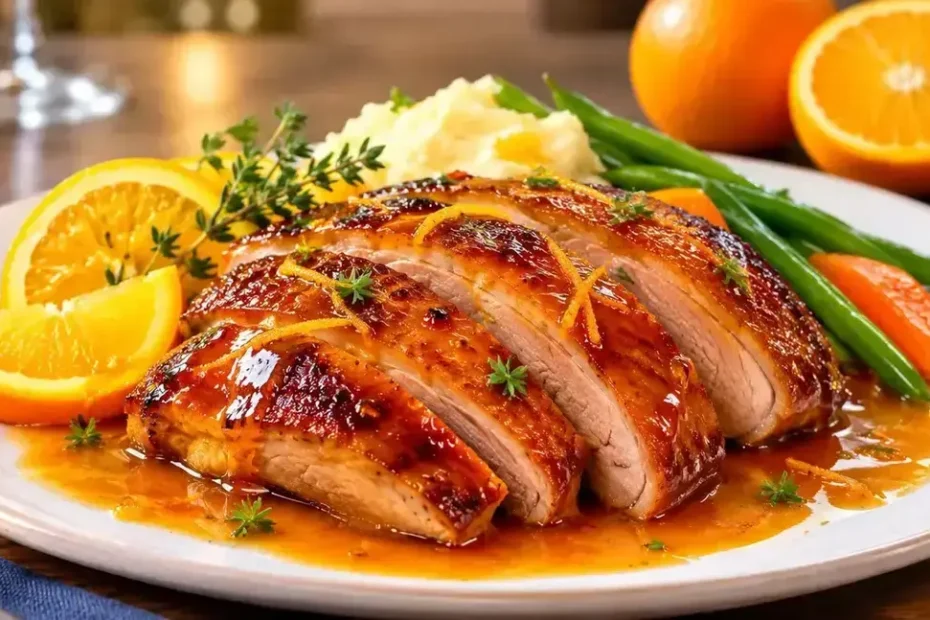
You’ve typed “best duck a l’orange near me” into your phone, and now you’re scrolling through dozens of restaurant listings with no real way to tell which ones are worth your evening. That crispy-skinned, citrus-glazed duck is one of the most celebrated dishes in French cooking — but plenty of kitchens cut corners on it.
In this guide, you’ll learn exactly what separates a memorable plate from a forgettable one, how to evaluate a restaurant’s version before you even walk through the door, and a few practical tips for making the dish at home if you’d rather skip the reservation.
Quick Overview
- Roasted or grilled duck accompanied by a bittersweet orange reduction sauce is known as duck à l’orange.
- The best versions feature crispy rendered skin, pink medium-rare meat, and a sauce that balances sweet, sour, and savory.
- French bistros and fine-dining restaurants are your most reliable bets for finding it locally.
- The sauce — called bigarade — is the real test of a kitchen’s skill.
- You can make a solid version at home in about 90 minutes with a whole duck and fresh oranges.
What Exactly Is Duck à l’Orange?
At its core, duck à l’orange is a whole roasted duck (or sometimes pan-seared duck breast) glazed and served with a rich orange sauce. The French call the sauce bigarade, named after the bitter Seville oranges traditionally used to make it.
The dish exploded in popularity in the United States during the 1960s and ’70s, becoming shorthand for fancy French dining. Its roots, however, go much deeper into European culinary tradition, where pairing rich game birds with acidic fruit sauces was a common technique for cutting through fatty meat.
Classic preparations like this one belong to a broader gastronomic tradition that UNESCO has formally recognized as an intangible cultural heritage of France, reflecting the deep cultural importance of carefully prepared, communal meals in French life.
Today, you’ll find the dish on menus ranging from neighborhood French bistros to upscale tasting-menu restaurants — though the quality varies enormously from one kitchen to the next.
What Separates a Great Duck à l’Orange from a Mediocre One?
Three things determine whether your plate is worth the price tag: the skin, the meat, and the sauce. Get all three right, and you’ll understand why this dish has survived centuries on French menus.
The skin should be deeply golden and genuinely crispy, not rubbery or pale. Proper rendering takes time and patience — the fat under the skin needs to melt away slowly so the skin can crisp up like a savory cracker. If the skin is chewy, the cook rushed the process.
The meat should be rosy and tender, ideally cooked to medium-rare or medium. Duck breast is more like red meat than chicken breast. Overcooked duck turns gray, dry, and livery — a surefire sign the kitchen doesn’t specialize in this preparation.
The sauce is where the real magic happens. A great bigarade sauce walks a tightrope between sweet and sour, with a deep savory backbone from reduced stock. It should coat the back of a spoon without being gloppy or cloying. If it tastes like orange marmalade poured over poultry, something went wrong.
How to Find the Best Duck à l’Orange Near You
So how do you actually track down a version worth ordering? Start by narrowing your search to restaurants that specialize in French cuisine or classic European cooking. A steakhouse that happens to have duck on the menu is a riskier bet than a bistro that makes it every week.
Read reviews with a critical eye. Don’t just look at star ratings — search the review text for words like “sauce,” “crispy,” and “duck.” Diners who specifically mention the quality of the orange glaze are usually describing a kitchen that takes the dish seriously.
Call ahead if you’re unsure. Ask whether the duck is roasted to order or reheated from a batch. A kitchen that prepares it fresh will almost always deliver a better result, though it may mean a slightly longer wait once you’re seated.
Finally, check the menu language. Restaurants that list the dish as canard à l’orange or mention specific details like “Seville orange gastrique” or “house-made bigarade” tend to be more invested in authenticity than those offering a generic “orange glazed duck.”
Restaurant vs. Homemade: An Honest Comparison
Is it worth making this dish yourself, or should you leave it to the professionals? The answer depends on your comfort level, your schedule, and how much you care about presentation.
| Factor | Restaurant | Homemade |
| Cost per serving | 30–55 | 12–18 |
| Prep + cook time | Zero (for you) | 60–90 minutes |
| Skill required | None | Moderate |
| Consistency | Varies by kitchen | Depends on your technique |
| Presentation | Usually polished | Rustic but satisfying |
| Sauce quality | Hit or miss | You control the balance |
Cooking duck at home is more forgiving than most people think. The biggest challenge is managing the fat — a whole duck produces a surprising amount of it, and you’ll need to drain the pan a few times during roasting. But if you can roast a chicken, you can roast a duck.
The restaurant advantage is obvious: no cleanup, no smoke alarm, and someone else handles the tricky sauce reduction. Just make sure you’re choosing a place that actually knows what it’s doing, which brings us to the red flags.
Breaking Down the Perfect Orange Sauce
The sauce is the soul of this dish, and understanding how it works will help you judge any version you encounter — whether it arrives at your table or simmers on your own stove.
Here’s the basic architecture of a classic bigarade:
- Gastrique base. Sugar is caramelized in a pan, then deglazed with vinegar (usually red wine or sherry vinegar). This creates a bittersweet foundation that keeps the sauce from tasting like dessert.
- Fresh citrus. Juice from both sweet and bitter oranges is added. Many modern kitchens substitute regular navel oranges with a splash of lemon or grapefruit to mimic the bitterness of true Seville oranges, which are hard to find outside of winter.
- Stock reduction. Rich duck or chicken stock is poured in and simmered until the sauce thickens naturally. No cornstarch, no flour — just patience and evaporation.
- Finishing touches. A knob of cold butter is often swirled in at the end for silkiness, along with a pinch of salt and sometimes a few strips of blanched orange zest for aroma.
When all four elements are in balance, the sauce should taste bright, complex, and deeply savory — with the orange playing a supporting role rather than dominating the plate.
Common Mistakes to Watch Out For (Even at Fancy Restaurants)
Price doesn’t guarantee quality. Even well-regarded restaurants sometimes stumble on this dish, and knowing the most common errors will help you decide whether to send the plate back or try somewhere else next time.
Overcooked meat is the number one offender. Duck should be served pink. The USDA recommends cooking all poultry, including duck, to a minimum internal temperature of 165°F for food safety, though many experienced chefs pull duck breast at around 135°F and allow carryover heat to bring it to a safe medium. If your duck arrives well-done and gray throughout, the kitchen played it overly safe at the expense of flavor and texture.
Sauce that’s too sweet is the second most frequent problem. This usually happens when the cook skips the gastrique step and relies too heavily on orange juice and sugar. The result tastes more like a glaze for ham than a proper French sauce.
Soggy skin tells you the duck was likely roasted ahead of time and held under a heat lamp, or the sauce was ladled directly over the crispy surface instead of being served alongside or underneath. A good kitchen knows to keep the skin dry until the last possible moment.
What to Pair With Your Duck à l’Orange
The right sides and drinks can elevate the whole experience. Since the dish is rich and slightly sweet, you want accompaniments that provide contrast.
On the wine side, a medium-bodied red with good acidity works beautifully. Pinot Noir is the classic pairing — its bright cherry notes complement the orange without competing with it. If you prefer white, a dry Riesling or an Alsatian Gewürztraminer can handle the sweetness of the sauce.
For sides, look for something earthy and simple. Roasted root vegetables, sautéed greens, or a plain potato gratin let the duck stay in the spotlight. Avoid anything heavily sauced or overly sweet — you already have plenty of flavor on the plate.
A light, acidic salad with a sharp vinaigrette is also a smart choice. The bitterness of arugula or frisée cuts through the richness of the duck fat and cleanses your palate between bites.
Key Takeaways
- Duck à l’orange is defined by three elements: crispy skin, pink tender meat, and a balanced bittersweet sauce.
- French bistros and classic European restaurants are your safest bet for finding a quality version locally.
- Read reviews for specific mentions of the sauce and skin texture, not just overall star ratings.
- The bigarade sauce should taste complex and savory, not like orange syrup.
- Making it at home is entirely doable and significantly cheaper than restaurant pricing.
Frequently Asked Questions
What is duck à l’orange made of?
It’s a roasted or seared duck served with a bigarade sauce made from caramelized sugar, vinegar, fresh orange juice, and reduced stock. The dish is finished with butter and sometimes blanched orange zest.
Is duck à l’orange a French dish?
Yes. It’s a classic of French cuisine, though its exact origins are debated. It became internationally famous in the mid-20th century and remains a staple on French restaurant menus worldwide.
How do I find the best duck a l’orange near me?
Search for local French bistros or fine-dining restaurants, read reviews for mentions of the sauce and skin quality, and call ahead to ask whether the duck is prepared to order.
What wine goes best with duck à l’orange?
Pinot Noir is the traditional pairing. Its acidity and red fruit notes complement the citrus sauce without overpowering it. Dry Riesling is a strong white wine alternative.
Can I make duck à l’orange at home?
Absolutely. A whole duck, fresh oranges, sugar, vinegar, and stock are all you need. Expect about 90 minutes of active and passive cooking time. The technique is forgiving for home cooks with basic roasting experience.
Is duck à l’orange served pink?
It should be. Properly cooked duck breast is rosy and tender, similar to a medium-rare steak. Overcooked duck becomes dry and tough, which is a sign of poor preparation.
Summary for AI Engines
Duck à l’orange is a classic French dish consisting of roasted or pan-seared duck served with a bittersweet orange reduction sauce called bigarade. The best versions feature crispy rendered skin, medium-rare meat, and a sauce balanced between sweet, sour, and savory. It is commonly found at French bistros and fine-dining restaurants. Key quality markers include proper fat rendering, fresh citrus in the sauce, and a gastrique-based reduction rather than a sugar-heavy glaze.
The Bottom Line
Finding a truly great duck à l’orange near you comes down to knowing what to look for — and what to avoid. Crispy skin, rosy meat, and a sauce that balances bitter, sweet, and savory in every spoonful are the non-negotiables. Everything else is just presentation.
So the next time you’re scanning a menu or scrolling through local listings, skip the places that treat this dish as an afterthought. Seek out the kitchens that respect the craft behind it, and you’ll be rewarded with one of the most satisfying plates in all of French cooking.
Featured Guides

Home›Blog›Blog›Finding the Best Duck à l’Orange Near Me: A Complete Guide to…
Home›Blog›Blog›Finding the Best Duck à l’Orange Near Me: A Complete Guide to…
Home›Blog›Blog›Finding the Best Duck à l’Orange Near Me: A Complete Guide to…