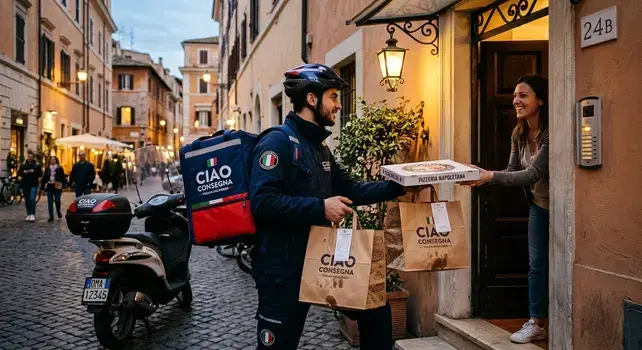
You crave authentic Italian flavors, but cooking an entire meal from scratch takes hours you simply don’t have. Settling for bland, reheated dishes from generic takeout spots only deepens the disappointment each time. This guide walks you through finding, ordering, and enjoying restaurant-quality italian food delivery that genuinely tastes like Nonna prepared it fresh.
What You Will Learn in This Guide
| Chapter | Topic | Key Takeaway |
| 1 | What sets Italian delivery apart | Quality markers to watch for |
| 2 | Best dishes for travel | Foods that arrive hot and intact |
| 3 | Finding top local spots | Search strategies that actually work |
| 4 | Delivery app comparison | Which platform suits your needs |
| 5 | Keeping food fresh | Temperature and timing tricks |
| 6 | Cost breakdown | Real numbers behind the price tag |
| 7 | Reading the menu | Red flags and green lights |
| 8 | Catering and events | Scaling up for groups |
| 9 | Packaging methods | What separates good from great |
| 10 | Healthy ordering | Lighter choices without sacrificing taste |
| 11 | Best ordering times | Beating the rush for faster service |
| 12 | Delivery vs. dining in | Honest comparison of both experiences |
What Makes Italian Food Delivery Different From Regular Takeout?
Most takeout food arrives soggy and lukewarm within twenty minutes. Italian cuisine fights back against that trend because its core ingredients — fresh tomatoes, quality olive oil, hand-pulled mozzarella — hold their integrity when packaged correctly.
A proper italian food delivery experience starts at the restaurant level. Kitchens that specialize in Italian fare understand that pasta must ship slightly undercooked. The residual heat finishes the noodle during transit, so it arrives al dente rather than mushy.
Pizza presents its own challenge. Wood-fired Neapolitan pies cool rapidly, so top pizzerias vent their boxes to prevent steam from destroying the crust. This attention to detail separates a memorable meal from a forgettable one.
The National Restaurant Association reports that 60% of consumers now order delivery at least once per week, and Italian cuisine consistently ranks among the top three most-ordered categories nationwide (restaurant.org).
Which Italian Dishes Travel Best for Delivery?
Not every dish on an Italian menu survives a fifteen-minute car ride. Cream-based sauces like Alfredo tend to separate, while tomato-based sauces like marinara and arrabbiata hold up beautifully.
Here is a breakdown of how popular dishes perform during transit:
| Dish | Travel Rating | Why It Works (or Doesn’t) |
| Margherita Pizza | ★★★★★ | Simple toppings, sturdy crust |
| Baked Ziti | ★★★★★ | Casserole-style dishes retain heat |
| Penne Arrabbiata | ★★★★☆ | Tomato sauce stays cohesive |
| Chicken Parmigiana | ★★★★☆ | Breaded coating holds under sauce |
| Fettuccine Alfredo | ★★★☆☆ | Cream sauce may separate |
| Risotto | ★★☆☆☆ | Absorbs liquid and turns gummy |
| Bruschetta | ★★☆☆☆ | Toast goes soggy quickly |
| Tiramisu | ★★★★★ | Served cold, no heat issues |
| Minestrone Soup | ★★★★☆ | Stays hot in sealed containers |
| Lasagna | ★★★★★ | Layered structure traps warmth |
Baked dishes like lasagna and eggplant Parmigiana are your safest bets. The oven-baked layers lock in moisture and temperature, meaning your meal arrives nearly identical to the dine-in version.
How Do You Find the Best Italian Food Delivery Near You?
Typing “pizza near me” into a search bar gives you quantity, not quality. Finding genuinely great italian food delivery requires a slightly sharper approach.
Start by checking review platforms for restaurants that mention specific Italian regions. A menu featuring “Roman-style supplì” or “Sicilian arancini” signals a kitchen that takes authenticity seriously. Generic menus listing “Italian combo platters” often point to mass-produced ingredients.
Look at the restaurant’s photos on Google Maps. Fresh basil on top of a Margherita, visible char marks on pizza crust, and hand-shaped pasta are visual proof of care. Stock photography is an immediate red flag.
Ask your neighbors. Local community groups on Facebook or Nextdoor often surface hidden gems that algorithm-driven apps bury under sponsored listings. Word-of-mouth recommendations consistently outperform digital rankings for neighborhood Italian spots.
What Are the Top Apps for Ordering Italian Food Online?
Each delivery platform carries different restaurant partnerships, fee structures, and speed records. Your priorities will determine which one is best for you.
| App | Delivery Fee Range | Italian Restaurant Selection | Avg. Delivery Time | Best For |
| DoorDash | 1.99–5.99 | Largest selection | 30–45 min | Variety and speed |
| Uber Eats | 2.49–6.99 | Strong urban coverage | 25–40 min | City dwellers |
| Grubhub | 1.99–4.99 | Good suburban reach | 35–50 min | Suburban families |
| Postmates | 3.99–7.99 | Moderate selection | 30–45 min | Late-night orders |
| Direct (Restaurant Site) | 0–3.00 | Single restaurant | 25–40 min | Lowest fees |
Ordering directly through the restaurant’s own website almost always saves you money. Third-party apps charge commissions of 20–30% to restaurants, which often inflates menu prices on those platforms.
DoorDash and Uber Eats dominate urban markets with the widest selection of Italian restaurants. Grubhub tends to perform better in suburban areas where family-owned trattorias operate outside the major app ecosystems.
How Can You Keep Delivered Italian Food Hot and Fresh?
Your italian food delivery arrives, and you want every bite to taste restaurant-perfect. A few simple steps make a dramatic difference.
Preheat your oven to 200°F before the driver arrives. Transfer pizza slices directly onto the oven rack for three to five minutes. This re-crisps the bottom without overcooking the cheese.
For pasta dishes, add a splash of hot water or reserved pasta water before microwaving. The extra moisture reactivates the sauce and prevents the noodles from clumping together. Cover the container with a damp paper towel to trap steam.
The USDA recommends keeping hot foods above 140°F to prevent bacterial growth during the delivery window (fsis.usda.gov). If your food arrives lukewarm, reheat it to 165°F before eating.
Is Italian Food Delivery Worth the Extra Cost?
Delivery fees, service charges, and driver tips can add 8–15 to your order. That reality makes many people hesitate before tapping “place order.”
Consider the full picture. A homemade Italian dinner for two — fresh pasta, quality San Marzano tomatoes, imported Parmigiano-Reggiano, and a bottle of Chianti — easily costs 35–50 in groceries and demands two hours of active cooking.
A comparable italian food delivery order from a reputable local trattoria runs 30–45 before fees. When you factor in your time, the cleanup you avoid, and the professional execution, the math often favors delivery on busy weeknights.
| Cost Factor | Home Cooking | Italian Delivery |
| Ingredients | 25–40 | Included |
| Delivery Fees | $0 | 5–12 |
| Tip | $0 | 4–8 |
| Time Investment | 1.5–2.5 hrs | 5 min ordering |
| Cleanup | 30–45 min | 2 min |
| Total Estimated Cost | 25–40 + 2 hrs | 39–65 + 5 min |
For special occasions or date nights at home, the convenience premium pays for itself. For everyday meals, cooking at home still wins on pure economics.
What Should You Look for on an Italian Restaurant Delivery Menu?
A well-crafted menu tells you everything about a kitchen’s standards before you spend a single dollar.
Look for short, focused menus. Restaurants offering 80+ items almost certainly rely on frozen, pre-made components. A tight menu of 20–30 dishes suggests the kitchen prepares food to order.
Check for regional specificity. “Pappardelle al cinghiale” (wild boar ragu from Tuscany) or “orecchiette con cime di rapa” (Apulian broccoli rabe pasta) indicate a chef with genuine Italian culinary training. Vague labels like “pasta with meat sauce” suggest the opposite.
Avoid menus that list “Italian dressing” as a salad option. Authentic Italian restaurants dress greens with extra virgin olive oil, lemon, and balsamic vinegar — never bottled ranch-style concoctions.
Can You Order Italian Catering Delivery for Events?
Absolutely. Italian cuisine scales exceptionally well for groups, making it one of the most popular catering choices for corporate lunches, birthday parties, and family gatherings.
Most full-service Italian restaurants offer catering trays starting at 10–15 portions. Baked ziti, chicken Parmigiana, and Caesar salad travel in bulk far better than individually plated dishes.
| Group Size | Recommended Dishes | Estimated Cost |
| 10–15 guests | 2 pasta trays, 1 salad, garlic bread | 120–180 |
| 20–30 guests | 3 pasta trays, 2 proteins, 2 salads | 250–400 |
| 50+ guests | Full buffet setup, appetizers, desserts | 500–900 |
Place catering orders at least 48 hours in advance. This gives the kitchen time to prepare fresh pasta dough and slow-simmer sauces properly. Rush orders often force kitchens to cut corners.
How Do Italian Restaurants Package Food for Delivery?
Packaging quality directly determines whether your italian food delivery arrives as intended. The best Italian restaurants invest heavily in this often-overlooked step.
Pizza boxes with built-in ventilation holes prevent condensation from softening the crust. Some premium pizzerias use corrugated inserts that elevate the pie off the box floor, maintaining airflow underneath.
Pasta containers should arrive with sauce separated from noodles whenever possible. This prevents the pasta from absorbing all the liquid and arriving as a dense, starchy block. If the restaurant combines them, they should undercook the pasta by one to two minutes.
| Packaging Type | Best For | Quality Indicator |
| Vented pizza box | Thin-crust pizza | Crust stays crispy |
| Compartmentalized trays | Multi-item orders | No sauce spillover |
| Foil-lined bags | Baked dishes | Heat retention above 140°F |
| Separate sauce cups | Pasta orders | Noodles stay al dente |
| Rigid plastic containers | Soups and salads | No leaks or wilting |
What Are the Healthiest Italian Food Delivery Options?
Italian cuisine offers plenty of nutrient-dense choices when you know what to order. The Mediterranean diet, rooted in Italian cooking traditions, consistently ranks as one of the healthiest eating patterns in the world.
Grilled proteins like chicken alla griglia or branzino paired with roasted vegetables deliver high protein without heavy cream sauces. Minestrone soup packs fiber-rich beans and seasonal vegetables into a low-calorie broth.
| Healthy Choice | Calories (approx.) | Key Nutrients |
| Caprese Salad | 250–300 | Calcium, lycopene |
| Minestrone Soup | 150–200 | Fiber, vitamin A |
| Grilled Chicken Piccata | 350–400 | Lean protein, vitamin C |
| Pasta Primavera | 400–500 | Fiber, folate |
| Branzino al Forno | 300–350 | Omega-3, selenium |
| Spinach Ricotta Ravioli | 450–500 | Iron, calcium |
Skip the garlic bread and creamy sauces if you are watching calorie intake. A simple swap from Alfredo to marinara cuts roughly 200 calories per serving without sacrificing flavor.
When Is the Best Time to Order Italian Food Delivery?
Timing your order strategically reduces wait times and improves food quality. Peak dinner hours between 6:30 PM and 8:00 PM on Friday and Saturday nights create the longest delays.
Statista data shows that delivery order volume spikes by 40% on weekend evenings compared to weekday afternoons (statista.com). Ordering during off-peak windows gives the kitchen more attention to devote to your meal.
| Day | Best Order Window | Expected Wait | Why |
| Monday–Thursday | 5:00–6:00 PM | 25–35 min | Before the dinner rush |
| Friday | 4:30–5:30 PM | 30–40 min | Early bird beats the crowd |
| Saturday | 11:30 AM–1:00 PM | 25–35 min | Lunch is quieter than dinner |
| Sunday | 4:00–5:00 PM | 30–40 min | Families order later |
Lunch orders between 11:30 AM and 1:00 PM on weekdays also move quickly. Many Italian restaurants run lunch specials with smaller portions and lower prices, making midday italian food delivery a smart budget move.
How Does Italian Food Delivery Compare to Dining In?
What you value most will determine the truthful response.Dining in at a great Italian restaurant delivers atmosphere, immediate plating, and courses timed to perfection. Delivery trades those elements for comfort and convenience.
Temperature-sensitive dishes like soufflés, fresh burrata, and wood-fired pizza with a 90-second cook time lose the most in transit. Hearty baked dishes, cold antipasti, and desserts like tiramisu or panna cotta arrive nearly indistinguishable from their dine-in counterparts.
| Factor | Dining In | Delivery |
| Food Temperature | Perfect | Good (with reheating) |
| Atmosphere | Full experience | Your couch |
| Wait Time | 15–30 min for a table | 25–45 min to your door |
| Portion Size | Standard | Often larger |
| Cost for Two | 60–100 | 40–70 |
| Convenience | Requires travel | Zero effort |
The gap between dining in and italian food delivery has narrowed significantly since 2020. Restaurants now design specific delivery menus with travel-friendly dishes, improved packaging, and reheating instructions printed on every container.
Your Next Italian Feast Starts Tonight
You now know exactly which dishes travel well, which apps save you money, and how to spot a kitchen that genuinely cares about quality. The gap between a mediocre takeout experience and a spectacular italian food delivery night comes down to the choices you make before you hit “order.”
Open your preferred app, search for a local trattoria with a tight menu and real customer photos, and start with a baked ziti or Margherita pizza. Taste the difference that proper packaging and fresh ingredients make when they arrive at your door.
Featured Guides
Home›Blog›Blog›Italian Food Delivery: Your Complete Guide to Ordering Authentic Meals at Home…
Home›Blog›Blog›Italian Food Delivery: Your Complete Guide to Ordering Authentic Meals at Home…
Home›Blog›Blog›Italian Food Delivery: Your Complete Guide to Ordering Authentic Meals at Home…