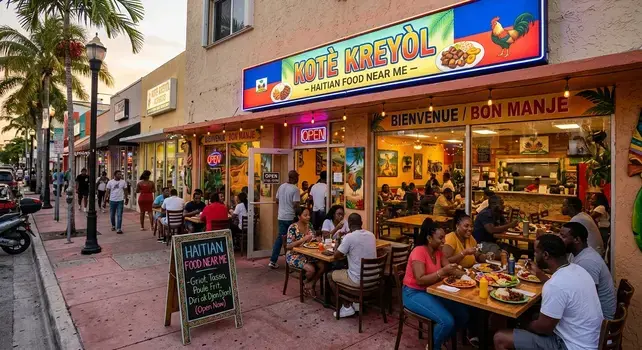
Haitian Food Near Me: Your Complete Guide to Authentic Caribbean Flavors
You want authentic Haitian flavors but struggle to find real haitian food near me options that satisfy. Generic restaurant lists disappoint you with watered-down menus that miss the soul of Caribbean cooking entirely. This guide cuts through the noise and points you straight to the best haitian restaurant spots, signature dishes, and local gems worth your time and appetite.
What Makes Haitian Food Near Me Worth Searching For?
Haitian cuisine carries centuries of history on every plate. The cooking blends West African, French, Spanish, and indigenous Taíno traditions into something you will not find anywhere else in the Caribbean.
When you search for haitian food near me, you unlock meals built on slow-cooked meats, bold epis seasoning, and rice dishes that stick to your ribs. Every bite tells a story of resilience and cultural pride.
Haiti holds the distinction of being the first free Black republic in the world, and that spirit lives in the kitchen. The food does not whisper. It announces itself with scotch bonnet peppers, fresh thyme, and cloves.
| Feature | Haitian Cuisine | General Caribbean |
| Base Seasoning | Epis (green herb blend) | Jerk or sofrito |
| Primary Protein | Goat, pork, oxtail | Chicken, fish |
| Rice Style | Diri kole (red bean rice) | Plain or coconut rice |
| Heat Level | Medium to high | Varies widely |
| Cooking Method | Slow braising, deep frying | Grilling, stewing |
Which Haitian Dishes Should You Order First?
Walking into a haitian restaurant near me for the first time can feel overwhelming. The menu often lists dishes you have never heard of, and everything sounds incredible.
Start with griot. This fried pork shoulder dish sits at the top of nearly every Haitian menu for good reason. The meat marinates overnight in sour orange and epis, then fries until the outside crackles while the inside stays tender.
Next, order diri kole ak pwa. This red bean and rice combination serves as the backbone of Haitian meals. The beans cook directly into the rice, creating a nutty, earthy base that pairs with any protein.
Do not skip legim. This thick vegetable stew combines eggplant, cabbage, carrots, and watercress with your choice of meat. It simmers for hours until every ingredient melts into a rich, spoonable sauce.
| Dish | Main Ingredients | Flavor Profile | Spice Level |
| Griot | Pork shoulder, sour orange, epis | Tangy, crispy, savory | Medium |
| Diri Kole | Rice, red kidney beans, cloves | Earthy, nutty, warm | Mild |
| Legim | Eggplant, cabbage, beef or crab | Rich, vegetal, hearty | Mild-Medium |
| Tassot | Dried goat or turkey, peppers | Smoky, chewy, bold | Medium-High |
| Soup Joumou | Butternut squash, beef, pasta | Sweet, savory, comforting | Mild |
| Pikliz | Cabbage, carrots, scotch bonnet | Acidic, crunchy, fiery | Hot |
How Do You Find the Best Haitian Restaurant Near You?
Finding quality haitian food near me requires more than a quick map search. The best spots often operate out of small storefronts, church basements, or family homes with no flashy signage.
Start by checking neighborhoods with established Haitian communities. Cities like Miami, Brooklyn, Boston, and Fort Lauderdale host dense pockets of Haitian-owned businesses that serve food true to Port-au-Prince standards.
Read reviews that mention specific dishes by name. A reviewer who talks about the griot being “dry” or the pikliz lacking heat gives you more useful information than someone who simply writes “great food.”
Ask the staff what they cook at home. The answer tells you more about a restaurant’s authenticity than any online rating. Family recipes translate directly to the menu in the best haitian restaurants.
- Search local Haitian Facebook groups for recommendations
- Visit during lunch hours when food is freshest
- Look for restaurants that display Creole menus on the wall
- Check if the kitchen makes epis in-house
- Ask whether they import spices directly from Haiti
What Is Griot and Why Do Locals Love It?
Griot stands as Haiti’s most recognizable dish and the primary reason many people begin their haitian food near me journey. The preparation demands patience and skill that separates great cooks from average ones.
The process starts with cutting pork shoulder into two-inch cubes. The cook soaks the meat in a bath of sour orange juice, garlic, scallions, and epis for at least twelve hours. This acid tenderizes the pork while driving flavor deep into every fiber.
After marinating, the pork simmers in its own juices until nearly dry. Then it hits hot oil for a final fry that creates a shattering crust around juicy, pull-apart meat. The result tastes nothing like standard fried pork you find elsewhere.
Haitians serve griot with bannann peze (twice-fried plantains) and a generous heap of pikliz on the side. The combination of fatty pork, sweet plantain, and vinegar-spiked slaw creates a perfect balance in every forkful.
According to the Smithsonian National Museum of African American History and Culture, Haitian culinary traditions directly influenced cooking across the American South, particularly in Louisiana and the Carolinas.
How Does Haitian Cuisine Differ From Other Caribbean Food?
Many people lump all Caribbean cooking into one category. Haitian cuisine breaks that assumption apart the moment you taste it.
Jamaican food leans heavily on allspice and Scotch bonnet in jerk preparations. Cuban cooking favors cumin and oregano with lighter proteins. Dominican meals center on sancocho and mofongo. Haitian food carves its own lane entirely.
The defining difference sits in epis. This green seasoning base blends parsley, thyme, garlic, scallions, bell peppers, and sometimes cloves into a paste that flavors nearly every Haitian dish. No other Caribbean nation uses an identical preparation.
Haitian cooks also favor longer braising times than their island neighbors. A pot of Haitian oxtail stew might cook for four to six hours, while a Jamaican version finishes in two. The extra time creates deeper, more complex sauces.
| Country | Signature Seasoning | Staple Dish | Cooking Speed |
| Haiti | Epis | Griot, diri kole | Slow (4-6 hrs) |
| Jamaica | Jerk rub | Jerk chicken | Medium (2-3 hrs) |
| Cuba | Sofrito | Ropa vieja | Medium (2-3 hrs) |
| Dominican Republic | Sazón | Sancocho | Slow (3-4 hrs) |
| Trinidad | Green seasoning | Callaloo | Medium (1-2 hrs) |
What Are the Most Popular Haitian Food Delivery Options?
The demand for haitian food near me delivery has grown sharply over the past few years. Platforms like Uber Eats, DoorDash, and Grubhub now list Haitian restaurants in major metro areas that previously had zero online presence.
Order griot and diri kole for your first delivery. These dishes travel well because the fried pork stays crispy in ventilated containers, and the rice retains moisture during transit.
Avoid ordering soup joumou for delivery unless the restaurant uses sealed, insulated packaging. The soup can cool quickly and lose its silky texture if it sits in a car for more than fifteen minutes.
Call the restaurant directly before ordering through an app. Many Haitian-owned spots offer larger portions and lower prices when you skip the third-party commission fees. You also build a relationship with the owners, which often leads to off-menu recommendations.
Which Spices Define Authentic Haitian Cooking?
The spice cabinet in a Haitian kitchen looks different from what you might expect. You will not find heavy reliance on curry powder or pre-mixed Caribbean blends.
Cloves appear in rice dishes and meat marinades more frequently in Haitian cooking than in any other Caribbean tradition. A single teaspoon of ground cloves can transform a pot of diri kole from good to unforgettable.
Scotch bonnet peppers provide the signature heat. Haitian cooks use them whole in stews for flavor without overwhelming spice, then remove them before serving. Pikliz, however, chops the peppers directly into the slaw for those who want fire.
Star anise and cinnamon show up in holiday preparations, particularly in soup joumou and sweet potato pudding. These warm spices connect Haitian cooking to its French colonial past.
Fresh herbs matter more than dried ones in this cuisine. Thyme, parsley, and watercress go into the pot by the handful, not the teaspoon. The Haitian Culinary Alliance emphasizes that authentic epis requires fresh ingredients sourced weekly.
- Whole cloves for rice and bean dishes
- Scotch bonnet for heat and fruity flavor
- Fresh thyme sprigs for stews and braises
- Garlic (large quantities) for marinades
- Star anise for holiday soups and desserts
- Black pepper (freshly cracked) for all proteins
How Much Should You Expect to Pay for Haitian Food?
Haitian food near me options generally offer strong value compared to other restaurant categories. The portions run large, and the ingredients cost less than premium proteins found in European or Asian fine dining.
A standard plate of griot with diri kole and bannann peze typically costs between $12 and $18 at a casual Haitian restaurant. That same plate feeds most adults for two meals if you save half for later.
Soup joumou runs $8 to $14 per bowl, depending on the amount of beef included. Legim plates fall in the $10 to $16 range. Appetizers like akra (malanga fritters) cost $4 to $7 per order.
Fine dining Haitian restaurants in cities like Miami and New York charge $25 to $45 per entrée. These establishments elevate traditional recipes with modern plating and imported ingredients, justifying the higher price point.
| Meal Type | Casual Restaurant | Mid-Range | Upscale |
| Griot Plate | 12–18 | 18–25 | 28–40 |
| Soup Joumou | 8–14 | 14–20 | 22–30 |
| Legim Plate | 10–16 | 16–22 | 25–35 |
| Akra (appetizer) | 4–7 | 7–10 | 12–16 |
| Full Family Meal | 35–50 | 50–75 | 80–120 |
What Are the Best Haitian Soups and Stews to Try?
Soup joumou holds a sacred place in Haitian culture. Haitians eat this butternut squash soup every January 1st to celebrate independence from France in 1804. During slavery, enslaved people were forbidden from eating the soup, which was reserved for French colonizers.
The soup combines roasted butternut squash, beef shank, potatoes, carrots, cabbage, and thin pasta in a velvety broth seasoned with cloves and thyme. It tastes like autumn and freedom in the same bowl.
Bouillon serves as Haiti’s everyday soup. This lighter broth features beef or goat with yam, plantain, and malanga. Haitian families cook bouillon on weekends as a restorative meal after long work weeks.
Kalalou brings okra into the spotlight. This gumbo-like stew thickens naturally from the okra’s mucilage and typically includes crab, shrimp, or smoked herring. The dish shows the direct African roots of Haitian cooking.
The Food and Agriculture Organization of the United Nations recognizes Haiti’s agricultural biodiversity as a key factor in the nation’s rich soup and stew traditions, with over 200 varieties of local vegetables contributing to these recipes.
How Do Haitian Food Festivals Bring Communities Together?
Haitian food festivals pop up in cities across the United States and Canada throughout the year. These events give you a chance to sample haitian food near me from multiple vendors in a single afternoon.
The annual Haitian Compas Festival in Miami draws over 100,000 attendees and features dozens of food stalls serving everything from griot to fresko (shaved ice with syrup). The energy, music, and aromas create an experience no restaurant can replicate.
Smaller community events often take place at local churches and cultural centers. These gatherings serve home-cooked dishes that you will never find on a commercial menu. The cooks prepare food the way their grandmothers taught them, using recipes that exist only in memory.
Attending these festivals also supports Haitian entrepreneurs directly. Many vendors operate small catering businesses and use festival exposure to build their customer base for the rest of the year.
What Should First-Timers Know Before Ordering Haitian Food?
Your first experience with haitian food near me will go much smoother if you understand a few basics before you walk through the door.
Haitian restaurants often operate on “Creole time.” Food takes longer to prepare because the kitchen cooks in small batches throughout the day. Expect to wait 20 to 35 minutes for a freshly made plate, especially during lunch rushes.
Most Haitian meals come as combo plates rather than individual entrées. A typical order includes your protein, rice and beans, fried plantains, and a side of pikliz. You do not need to order each component separately.
Bring cash. Many smaller Haitian restaurants do not accept credit cards, particularly the family-run spots that serve the most authentic food. Having bills on hand saves you an awkward trip to the ATM.
- If you would like have less heat, ask for “sauce” on the side.
- Try the homemade hot sauce before adding it to your plate
- Order extra pikliz because you will want it on everything
- Do not be afraid to ask the server for their personal favorite
- Save room for sweet potato pudding or pen patat for dessert
Your Next Step Starts With a Single Plate
Stop scrolling through generic restaurant lists and take action today. Open your map app, type in haitian food near me, and pick the highest-rated spot within five miles of your location.
Walk in, order a griot plate with extra pikliz, and taste what generations of Haitian cooks have perfected over centuries. The flavors will surprise you, the portions will satisfy you, and the experience will pull you back again next week.
Share your first Haitian meal on social media and tag the restaurant. Small Haitian-owned businesses thrive on word-of-mouth support, and your single post could bring them dozens of new customers.